Books, Reports, Websites, Movies, and More
Food touches everything from cuisine to climate change, hunger to healthy arteries. Millions of books, articles, and websites could be listed here, so consider this list just a tiny tip of the iceberg.
When you are searching for online information, seek reliable websites. For instance, when exploring health issues, guard against websites pushing often ineffective dietary supplements. Some of the reliable websites are those sponsored by units of the United Nations and established nonprofit organizations like the American Heart Association, American Cancer Society, Environmental Defense Fund, and ASPCA.
The National Food Museum does not necessarily endorse the content of these resources.
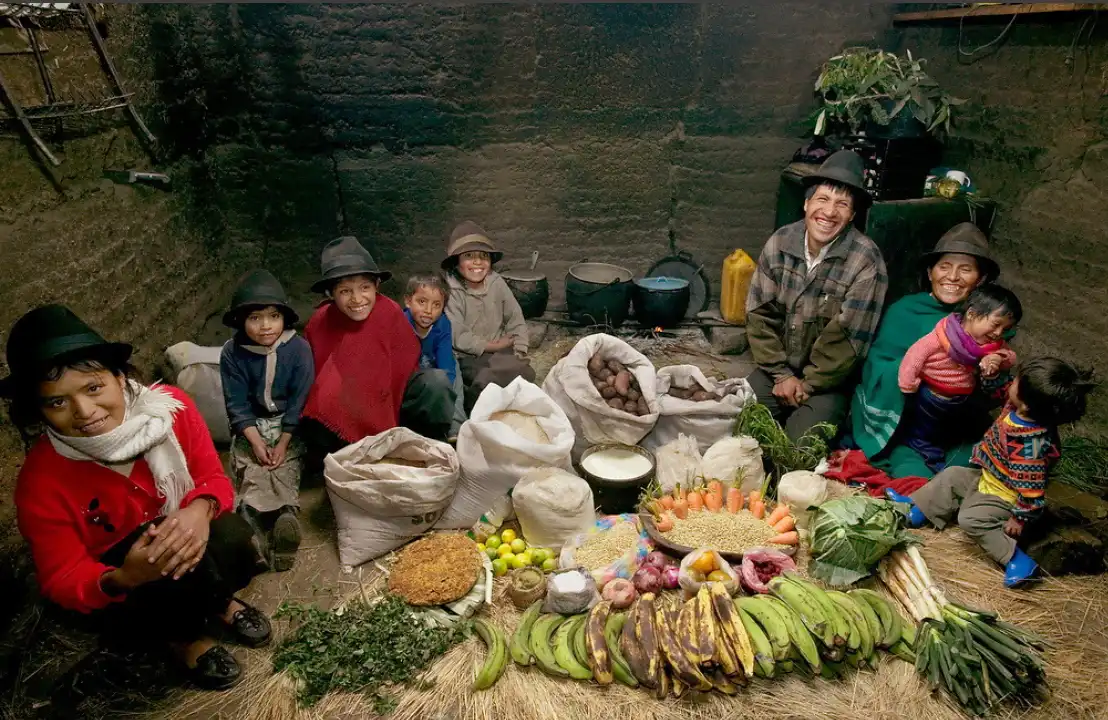
Hungry Planet: Yes, Peter Menzel’s book, Hungry Planet, has beautiful photos, but his unique set of photos is really provocative. Menzel traveled around the globe and asked average families to display all the foods they had consumed in a week....
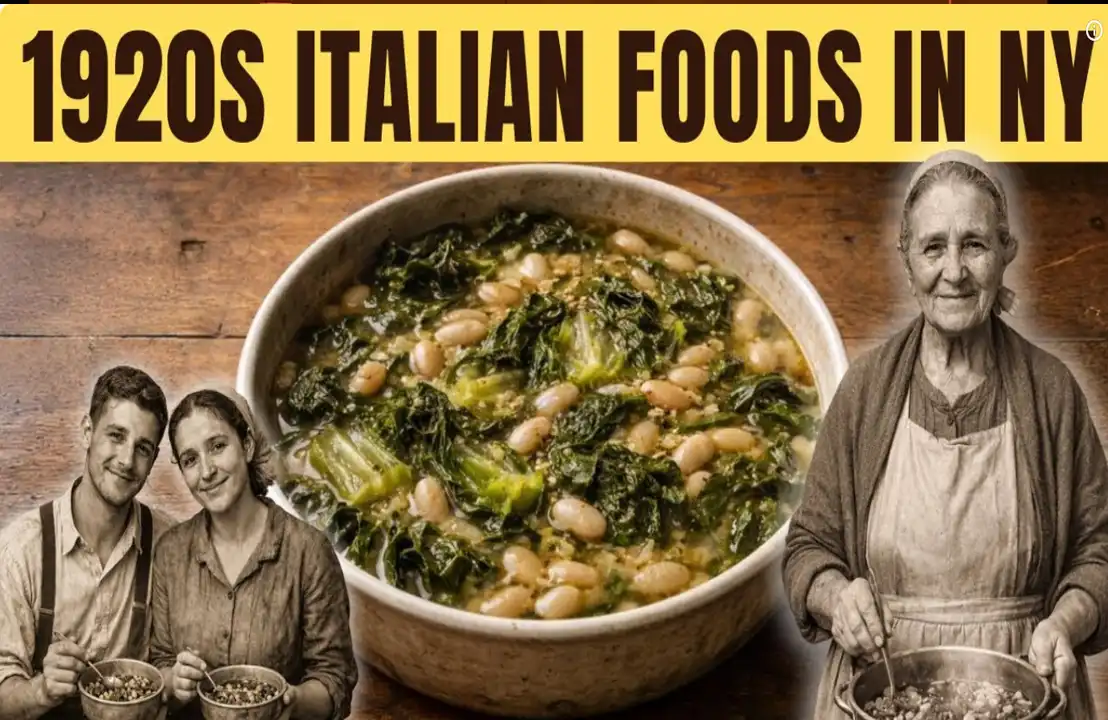
We are all aware of family traditions, but we rarely know what our ancestors ate a hundred or more years ago. This film, enriched with still photographs of the 1920s, shows what poor Italians ate in New York City. Spoiler...
Created by the Skirball Museum in Los Angeles and shown in many cities, this exhibit examines how Jewish immigrants, mostly from Central and Eastern Europe, imported and adapted traditions to create a uniquely American restaurant and reveals how Jewish delicatessens...
This chilling 1968 CBS-TV documentary shows the shocking depth of poverty and hunger among Black Americans. One of the underlying causes of that hunger is the unemployment resulting from the mechanization of cotton harvesting, which increased from two percent to...
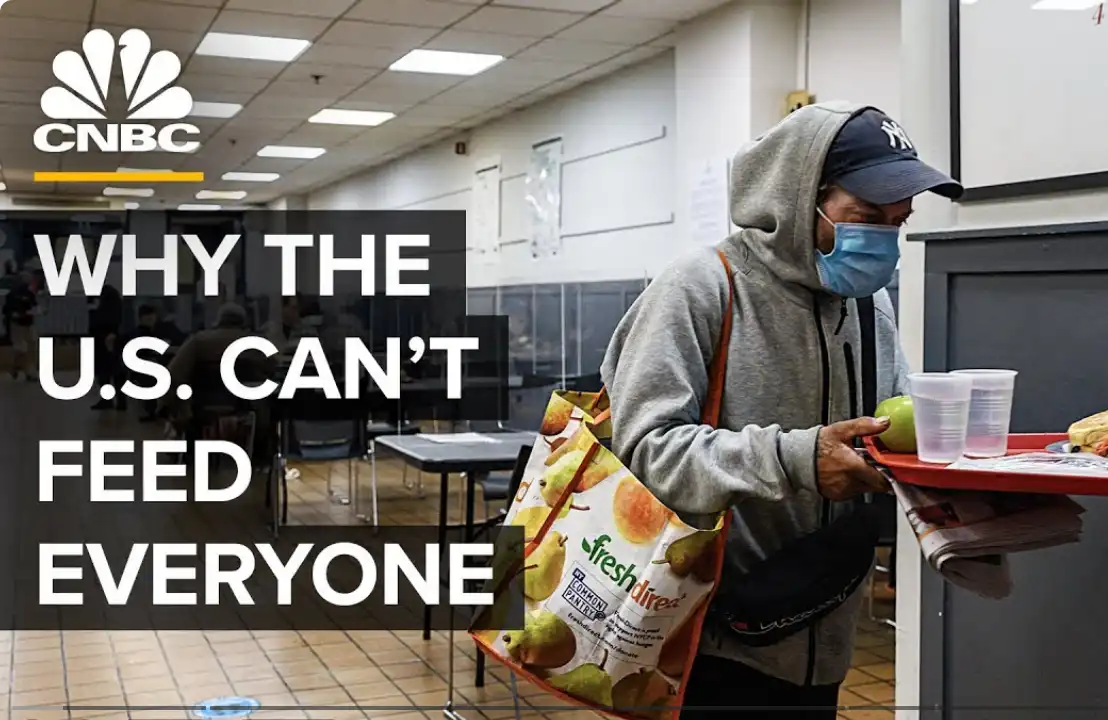
This documentary demonstrates effectively that all too many Americans go to bed hungry, and it highlights the efforts of heroic people who are trying to alleviate hunger at the local level. Volunteerism helps fill food pantries, fund food banks, and...
Hunger may be more common in many African countries, but hunger still stalks far too many Americans. This video, aired as the covid epidemic was fading away, says that in 2021 10 percent of American households lacked adequate access to...
Improving agricultural productivity and reducing hunger in Africa, Bill Gates argues, will require a system-wide approach. Better seeds (from conventional breeding and genetic engineering), more fertilizer, reducing food waste, and other strategies should help many African nations. But will the...
This hopeful video produced by the World Bank explains in broad outline the extent of hunger around the globe, the costs in terms of less productive workers and more sickness, and the solutions. Unfortunately, this film from 2011 has not...
In this brief video, Jim Yong Kim, president of the World Bank Group, explains that even with 800 million people going to bed hungry, countries can end hunger by 2030. But they need to create systems that raise agricultural productivity...
Hunger and malnutrition cost the global economy over three trillion dollars every year. This United Nations video estimates that eliminating hunger would cost only one-tenth that amount. One way to reduce hunger would be to use much of the one-third...
New additives like preservatives, flavorings and vitamins were infused into them, and they were packaged in novel ways to withstand hard......
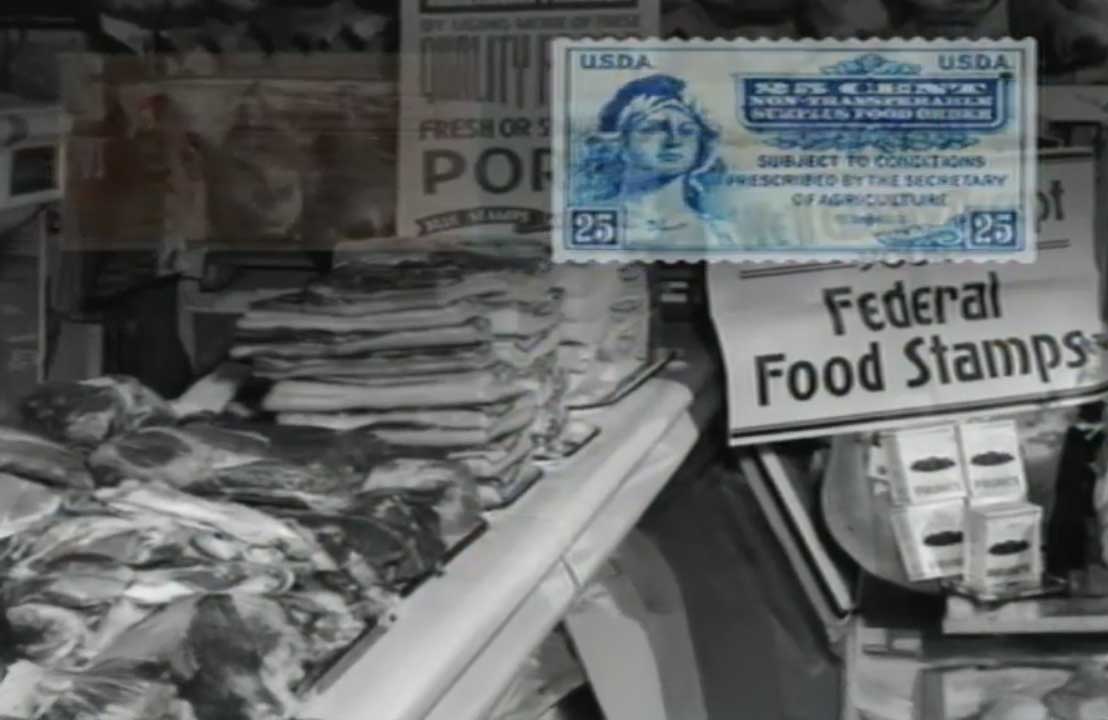
History of the U.S. Food Stamp Program “Food stamps have all but eliminated the severe hunger and malnutrition that we saw in the 1960s.” (Center on Budget and Policy Priorities, 14’, 2007)....
This video of a speech by George Steinmetz, a National Geographic photographer, shows stunning photos from his Feed the World, which sheds new light on today’s mega-farms. (2022)...
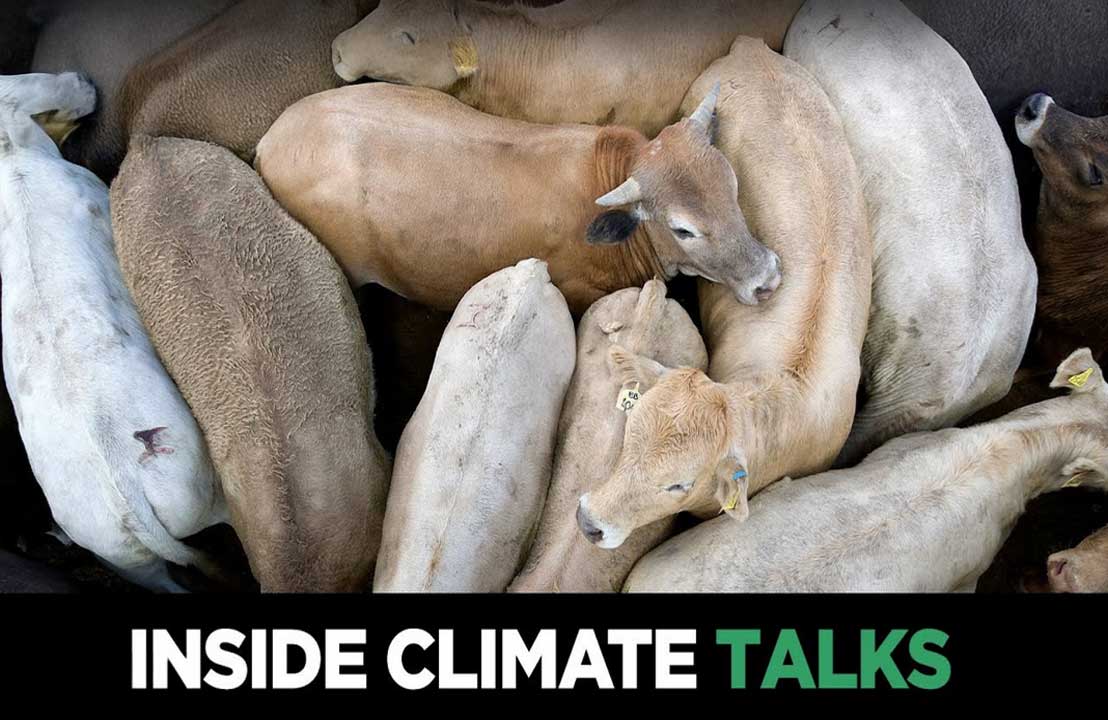
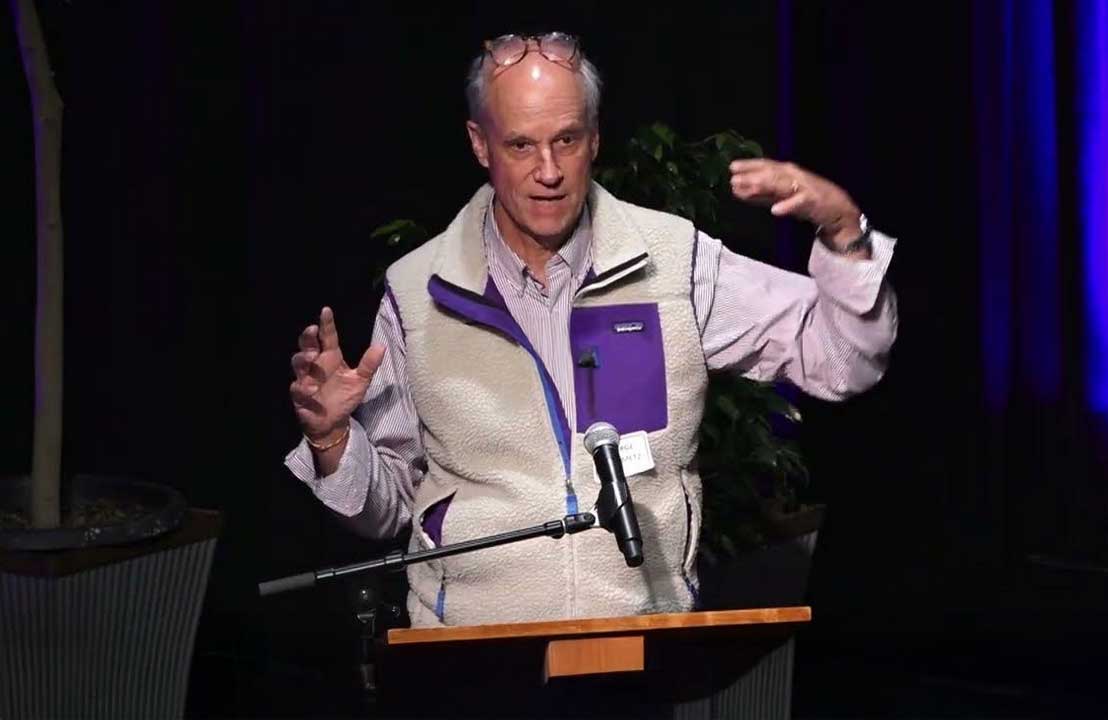
Discussion with Michael Jacobson and Dr. Walter Willett, Harvard professor and leading nutrition epidemiologist on impacts of food on the environment...
This inspiring video shows how a student-founded nonprofit is reducing hunger and preventing food waste. (22’, promotional)...